Agonal Breathing vs. Normal Breathing: How to Recognize Cardiac Arrest
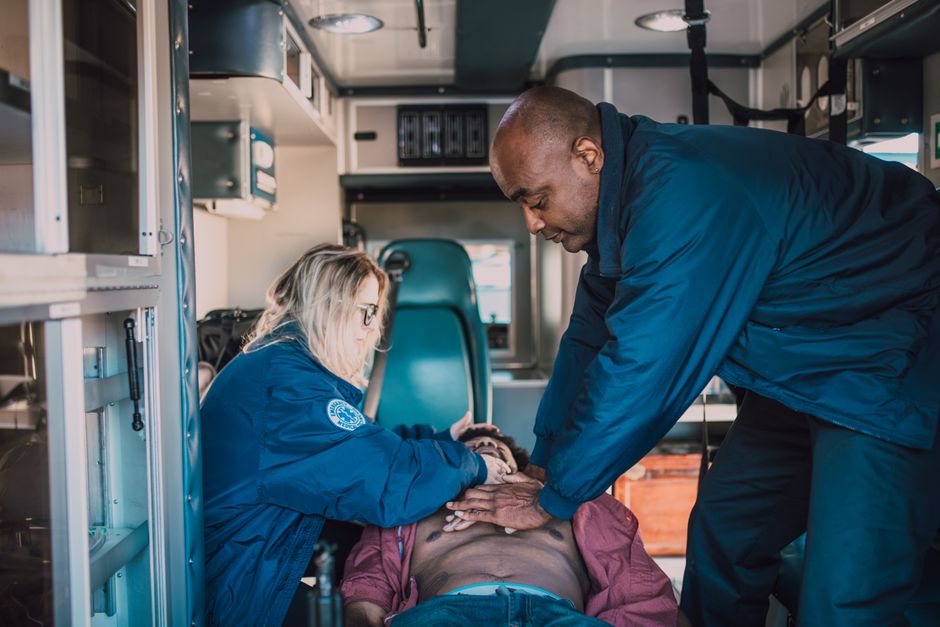
One of the most dangerous points of confusion during a medical emergency is mistaking agonal breathing for normal respiration. Witnesses often hesitate to perform CPR because they hear gasping or see faint mouth movements and assume the person is still breathing safely. Understanding the clinical signs of agonal breathing ensures you recognize sudden cardiac arrest immediately and begin life-saving interventions without delay.
What Is Agonal Breathing?
Agonal breathing (often called agonal respirations) is an involuntary brainstem reflex that occurs when the brain is critically starved of oxygen. It is not actual physiological breathing, and it does not draw adequate air into the lungs.
Common characteristics of agonal respirations include:
The Fatal Mistake: Waiting to See if Breathing Resumes
When a bystander witnesses an individual collapse, hearing sporadic gasps often leads to false reassurance. A common misconception is: "Their mouth is moving, so they must be getting air." In reality, the individual is in full cardiac arrest. Every second spent waiting to see if normal breathing returns allows cerebral oxygen levels to drop dangerously.
The 2-Step Assessment Rule for Rescuers
To quickly determine if an unresponsive individual requires emergency action:
If the person does not respond and is either not breathing at all or only making abnormal, gasping sounds, assume they are in cardiac arrest. Call 911 immediately, locate an AED, and begin chest compressions.
Frequently Asked Questions
Is agonal breathing a sign of life?
No. Agonal respirations are a neurological reflex indicating profound oxygen deprivation and active cardiac arrest.
Should I start CPR if someone is gasping irregularly?
Yes. If the person is unresponsive and gasping, you should immediately begin high-quality chest compressions.
Be Prepared
Real-world emergencies require quick, instinctive decision-making. Schedule your CPR & First Aid training session with our experienced instructors today.