Public Access Defibrillators: Where to Find an AED and How It Works
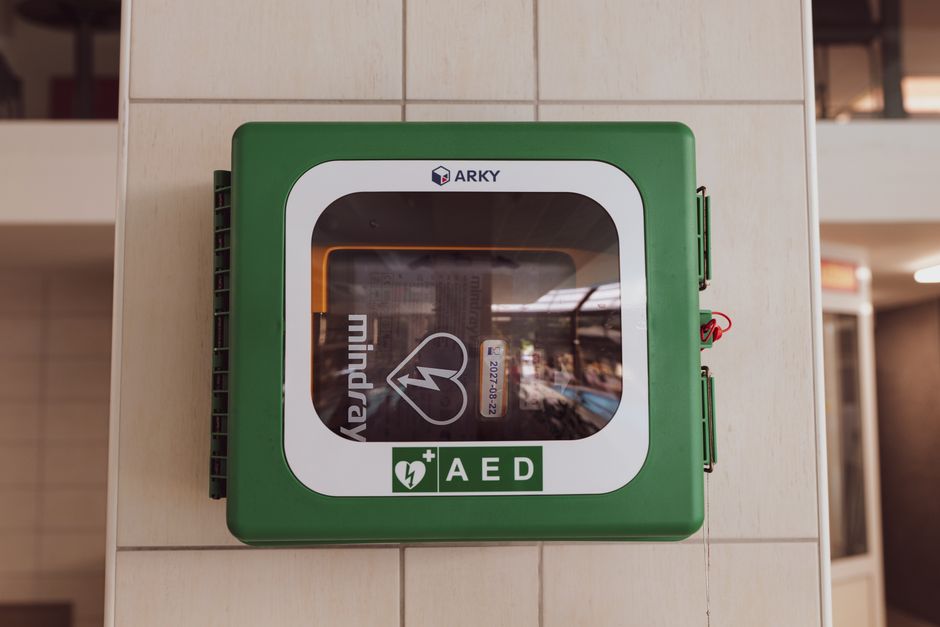
Automated External Defibrillators (AEDs) are among the most powerful public-health innovations in modern emergency medicine. These portable devices are designed specifically for use by everyday bystanders with zero prior medical background, providing critical therapy long before emergency vehicles arrive on scene. Knowing where to find an AED and understanding its automated safeguards removes the fear of using one during a crisis.
Common Public Locations Where AEDs Are Installed
Public-access AEDs are routinely placed in high-density locations, commercial centers, and athletic environments:
Most units are stored inside clearly marked, eye-level wall cabinets bearing the universal red or green heart-and-lightning-bolt symbol.
How Modern AEDs Guide the Rescuer
Opening the AED case or pressing the power button activates clear, spoken audio prompts and visual diagrams that walk you through each step:
Safety Safeguards: Why You Cannot Make a Mistake
A common fear among bystanders is accidentally shocking someone whose heart is functioning normally. AEDs are engineered with strict clinical algorithms. An AED will never deliver or recommend an electrical shock unless it detects a specific, lethal shockable rhythm. You cannot accidentally shock someone who is simply unconscious or sleeping.
Frequently Asked Questions
Can anyone legally use an AED in an emergency?
Yes. Good Samaritan laws across the United States protect bystanders who deploy an AED in good faith during a medical emergency.
Do I need to remove chest hair before placing AED pads?
Most AED response kits contain a small disposable razor. If thick chest hair prevents the adhesive pad from sticking directly to the skin, quickly shave the pad contact areas.
Protect Your Organization
Ensure your workplace or facility is prepared for sudden emergencies. Book an on-site group CPR & AED training course for your team today.