The Science of CPR: How Chest Compressions Keep the Brain Alive During Cardiac Arrest
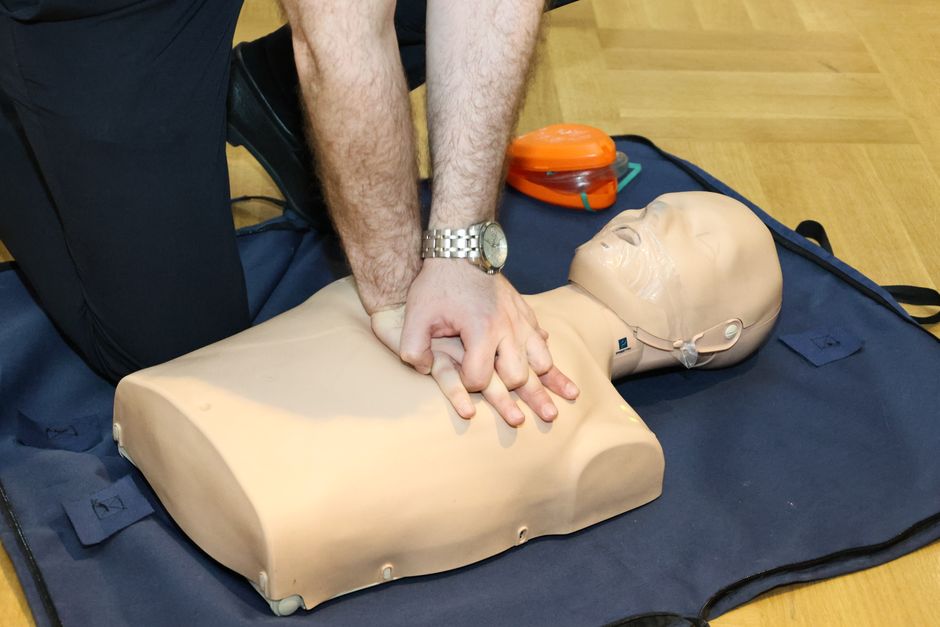
Sudden cardiac arrest is a race against time. When an individual's heart abruptly stops beating, vital blood flow ceases instantly. Within 4 to 6 minutes, oxygen deprivation begins causing irreversible damage to delicate brain tissue. While many people know that Cardiopulmonary Resuscitation (CPR) involves pressing down on the chest, understanding the biological mechanics of how CPR works builds the confidence needed to act swiftly during an emergency.
What Happens to the Body During Sudden Cardiac Arrest?
Under normal conditions, the heart's electrical system triggers coordinated muscular contractions that push oxygenated blood through arteries to the brain, lungs, and peripheral organs. During sudden cardiac arrest, chaotic electrical signals or sudden mechanical failure cause the heart to stop pumping effectively. Blood pressure immediately plummets to zero, leading to rapid loss of consciousness.
How Chest Compressions Act as an Artificial Heart
Chest compressions do not instantly restart the heart; instead, they function as a manual pump to maintain critical systemic circulation:
The Downstroke (Direct Compression): Squeezing the lower half of the sternum (breastbone) presses the heart against the spine. This increases pressure inside the chest cavity, forcing blood out of the heart chambers and upward through the carotid arteries into the brain.
The Upstroke (Full Chest Recoil): Releasing all pressure between compressions allows the chest wall to expand. This negative thoracic pressure pulls deoxygenated blood back into the heart chambers so it can be circulated on the next downward push.
Why Pausing CPR Drops Blood Pressure to Zero
Building adequate coronary and cerebral perfusion pressure requires at least 10 to 15 uninterrupted, high-quality chest compressions. When a rescuer pauses — even for 5 to 10 seconds to check a phone or adjust position — that vital pressure drops back to baseline almost instantly. Every pause deprives the brain of oxygen and lowers the patient's likelihood of meaningful neurological recovery.
Key Requirements for High-Performance CPR
Frequently Asked Questions
Does CPR restart a stopped heart on its own?
No. CPR circulates oxygenated blood to buy precious time for the brain and heart muscle until an Automated External Defibrillator (AED) can deliver a shock or advanced medical care arrives.
What is the ideal speed for chest compressions?
The optimal rate is between 100 and 120 beats per minute, which matches the tempo of popular songs like 'Stayin' Alive.'
Take Action
Gain the confidence and practical skills to protect those around you. Explore our hands-on CPR and AED certification courses to get certified today.